PDF · Body language theory
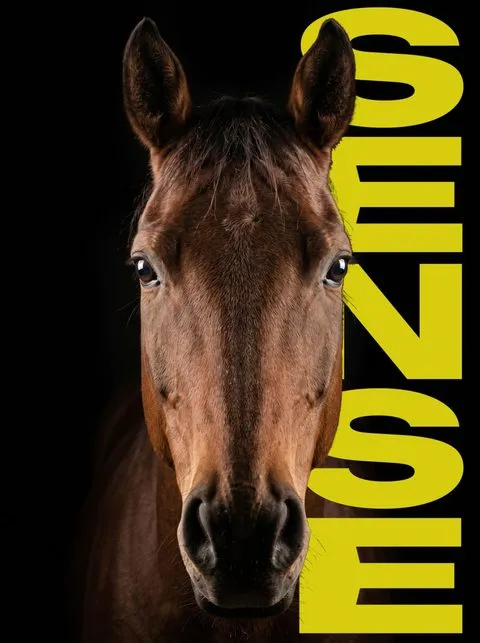
HEAR
HEAR
your horse
A base for understanding body signals, basic needs, movement, imbalance signs and hoof balance before choosing what to do next.
PDF 28 pages
imbalance signs
hooves · basic needs · movement
Get theory for €5
Theory · €5
€5 · lifetime access
Sound familiar?
He isn't stubborn.
He isn't stubborn.
He's in pain.
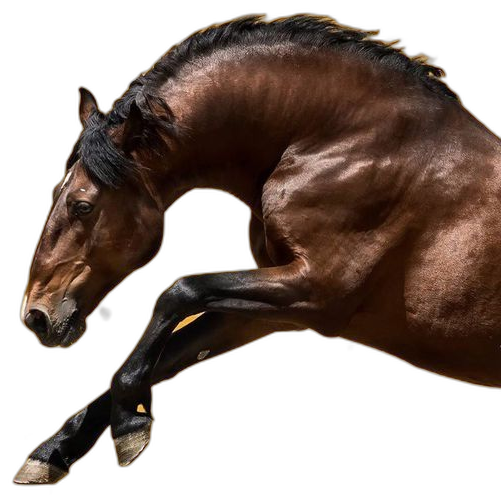
He bucks, kicks, throws you off. Pins his ears when you saddle him. Resists grooming. These are all — signals that something is wrong.
 Pins ears, gets nervous during tacking up
 Sensitive when groomed or touched
 Bucks, kicks, throws you off
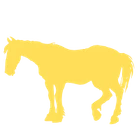 Asymmetric movement, shorter stride
 Trouble bending, balance issues
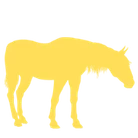 Reluctance to move forward
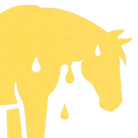 Excessive sweating without effort
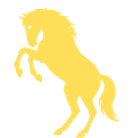 Constant anxiety, spooks for no reason
When you understand the pattern
You can read
this
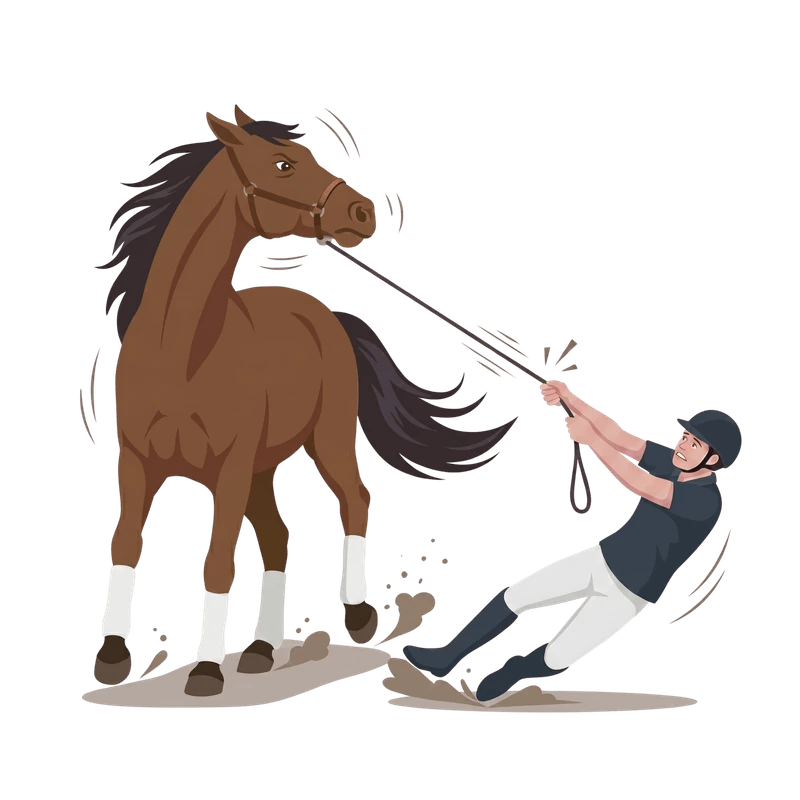

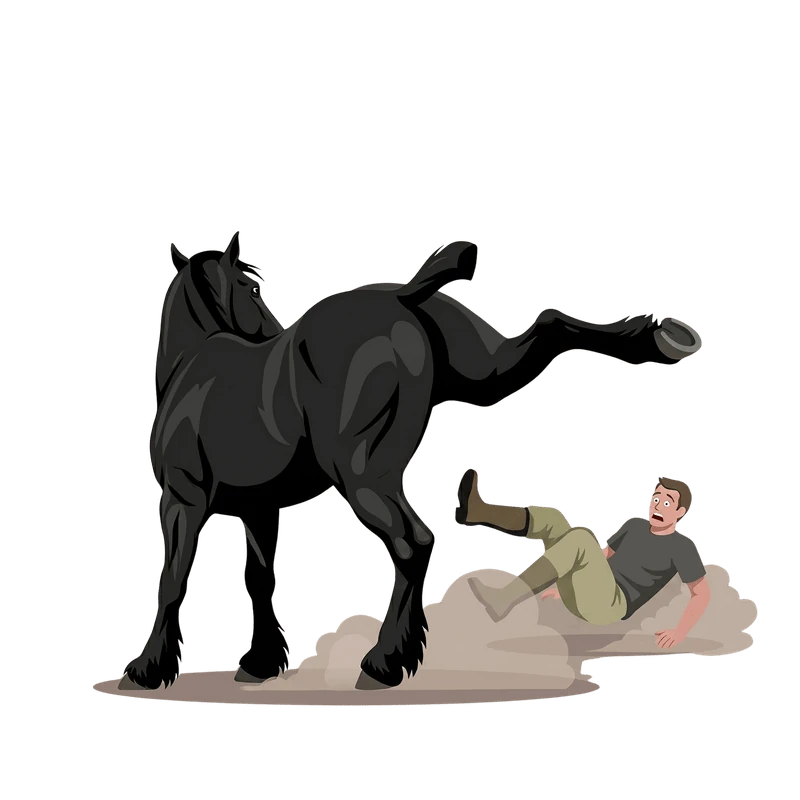
into this
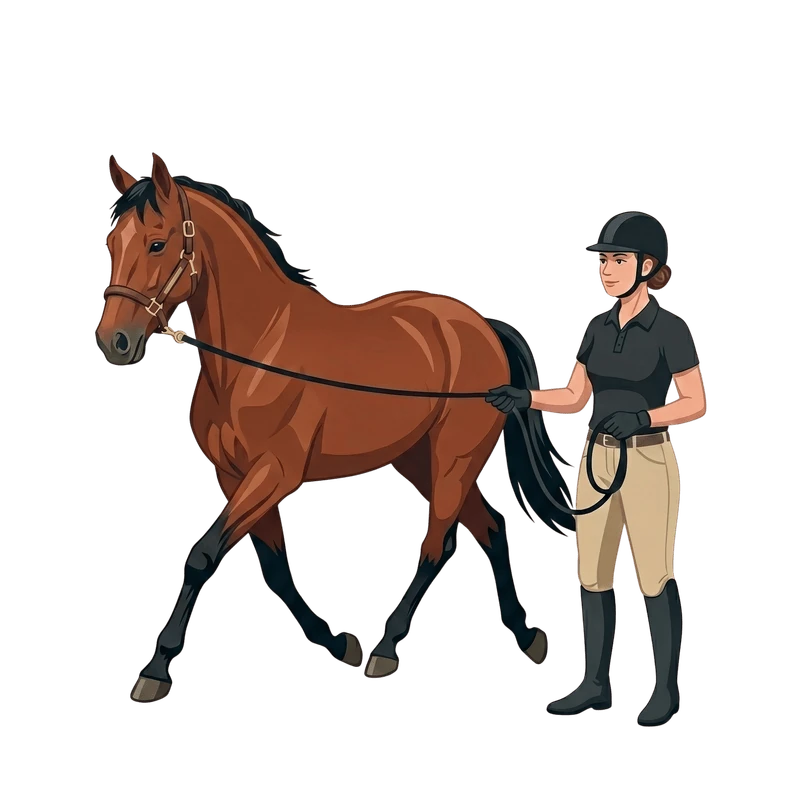

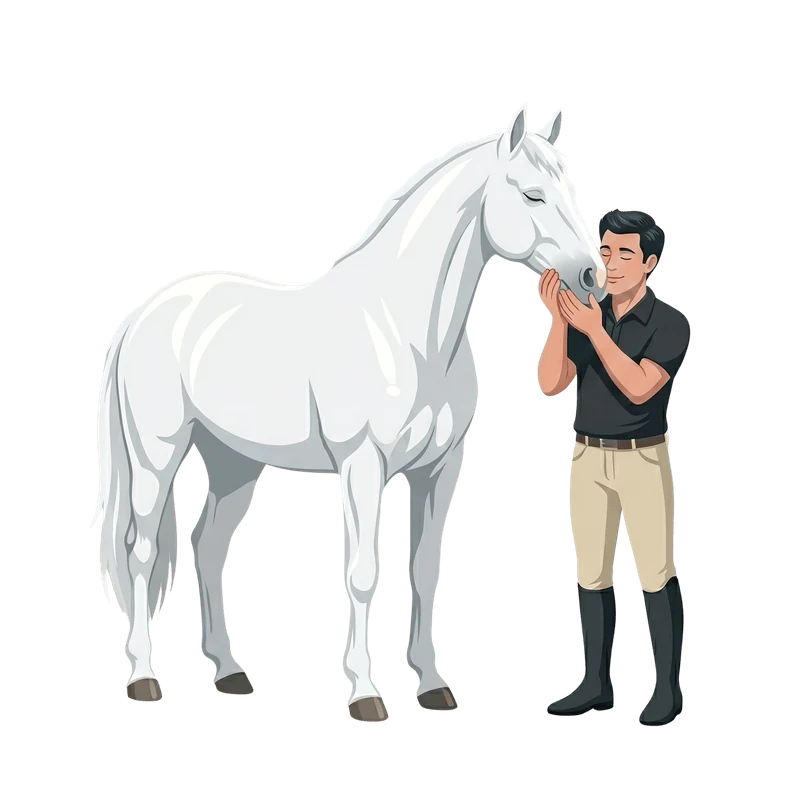
"I'm in pain — that's why I want to throw you off, not because of my character." Behind every "bad character," strange movement, tension and fear there is a message from the body — and we need to learn how to read it.

Why it matters
What theory gives you
This is not a hands-on protocol and not a veterinary replacement. It is a theory base that helps the owner stop looking at one symptom only and start seeing the horse as a system.
Signals
Read behavior and body changes as information from the horse.

System
Connect movement, hooves, living conditions and stress.
Awareness
Understand what may stand behind tension or resistance.
Next step
Use theory as a base before moving into hands-on practice.
Also explore the knowledge base: short materials that pair well with the Theory PDF.
Knowledge Base →What you get
01
Introduction
pp. 3–5- About me3
- What this book is about5
2 topics · tap to open
02
Theory
pp. 6–28- What kind of animal is a horse?6
- Basic needs8
- How humans affect horses' lives9
- How sport affects horses11
- Why complex work matters12
- What does a horse need to be happy?13
- Main signs of imbalance14
- Hoof balance22
8 topics · tap to open
03
Body analysis
pp. 14–28- Main signs of imbalance29
- Behavioral signals30
- Body signs of imbalance33
- Hidden causes of problems34
- Hoof balance40
- What balanced hooves mean42
6 topics · tap to open
Format
PDF 28 pages
What's inside
Concentrated knowledge in 28 pages
Theory that helps you see the logic of the horse's body: from basic needs to imbalance signs, hooves and movement.
Biomechanics
and anatomy

How the horse body reacts to discomfort and why even a small pain signal can change movement or behavior.
- movement as a basic need
- body sensitivity
- first physical signals
Basic
needs

Food, water, movement, sleep, health, contact with other horses and safety as the base for a calmer body.
- what matters daily
- what can disturb balance
Human and
sport impact
How stalls, limited movement, training, transport and starts affect the body and nervous system.
13+ signs
of imbalance

Body signals you see every day but don't notice.
Hoof
balance

Why hooves are the foundation of the body and how imbalance can affect the pelvis, back, movement and load.
- signs of imbalance
- limb axis
- connection with the back
- when correction matters
Next practical step

Once you see the signals, it becomes easier to move to a practical protocol: what to check, what to change and who to involve.
- from signals to actions
- bridge to practice
Theory
13+ signs
13+ signs
of imbalance
Body signals owners may see every day and not connect with each other. In the Theory PDF they are gathered as a map: what can stand behind body shape, movement, hooves and back.
"Shark
fin"
What can it tell you?
"Sparrow"
Why does it appear and when is it too late?
"Hay
belly"
And food has nothing to do with it?
"Deer
neck"
Why is the neck held unnaturally high?
+9
9 more syndromes
in the full guide
in the full guide
→
Readers feedback
What horse owners say

"For a whole year I was guessing what was wrong with my horse lowering his head — and found the answer in the book, in the note about non-obvious causes. Embarrassing, honestly. Huge thanks for your work."

"Thank you for a book that gathered the core knowledge — what to focus on and how when working with a horse."

"I have followed you for a long time and was very happy that you made this product. Finally, many things are gathered in one place in simple language."
Main offer
Get Body Language Theory
What you get for €5:
✓
Body Language Theory PDF — a base for understanding the horse's body and signals
✓
Imbalance signs — behavioral and body signals that help you notice that something needs attention
✓
Hooves, basic needs, movement — topics that often affect the back, behavior and general state
✓
Next step after purchase — the thank-you page shows Practice as the continuation of the path
5 EUR
accessible first step
Payment via Visa / Mastercard · instant access after purchase

Questions & answers
FAQ
What format is the guide in?
A 28-page A4 PDF file. You can read it on your phone, tablet or laptop. You can print it. Lifetime access.
What happens after I pay?
Right after payment you will land on a "Thank you" page with a link to the PDF. The next step, Practice, is also shown there.
Is this a hands-on protocol?
No. This is theory: a base for understanding body signals, hooves and living conditions. The hands-on protocol is a separate PDF called Practice.
Payment methods?
You can pay with any card. Convenient checkout via Apple Pay / Google Pay.
Does the guide replace a vet?
No. Body Language Theory is a tool for the attentive owner. It helps you see signals and ask better questions, but disease diagnosis and treatment remain with the veterinarian.
Do I get lifetime access?
Yes. The PDF is yours. Download it, save it, read it whenever you need. No subscriptions, no extra payments.
What if I'm not a "pro"?
This PDF is written in plain language for a regular owner who loves their horse and wants to understand what the body is saying before acting.



Time to hear
your horse
Your horse has been speaking through the body for a long time. Theory helps you understand the first signals.
Get theory for €5 Theory · €5